People use "smoke alarm" and "fire alarm" interchangeably, but they're very different things. If you own or manage a building, understanding the difference matters — because the wrong one can leave you out of code compliance and, more importantly, unprotected.
Smoke Alarms: Self-Contained Units
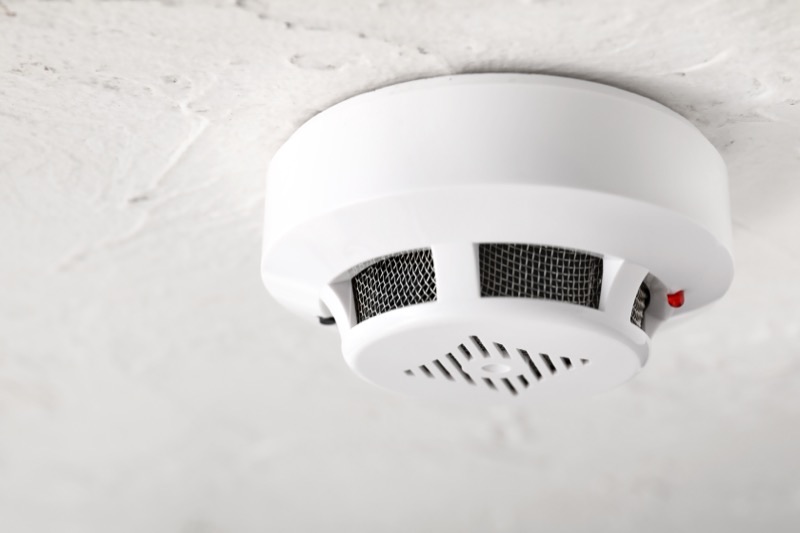
A smoke alarm is a single device that detects smoke AND sounds the alarm in one unit. It's the round disc on your bedroom ceiling. When it detects smoke, it beeps. That's it — the alarm is local to that device.
Key characteristics:
- Battery-powered or hardwired (or both)
- Self-contained — detector + alarm in one housing
- No connection to a monitoring station
- No notification to the fire department
- Required in residential dwellings (houses, apartments, condos)
- Governed by NFPA 72 Chapter 29
When smoke alarms are enough:
- Single-family homes
- Individual apartment units
- Small residential buildings
Fire Alarm Systems: Monitored Networks
A fire alarm system is a network of devices connected to a central control panel. The panel monitors every device, displays which one activated, and transmits a signal to a monitoring station that dispatches the fire department.
Key characteristics:
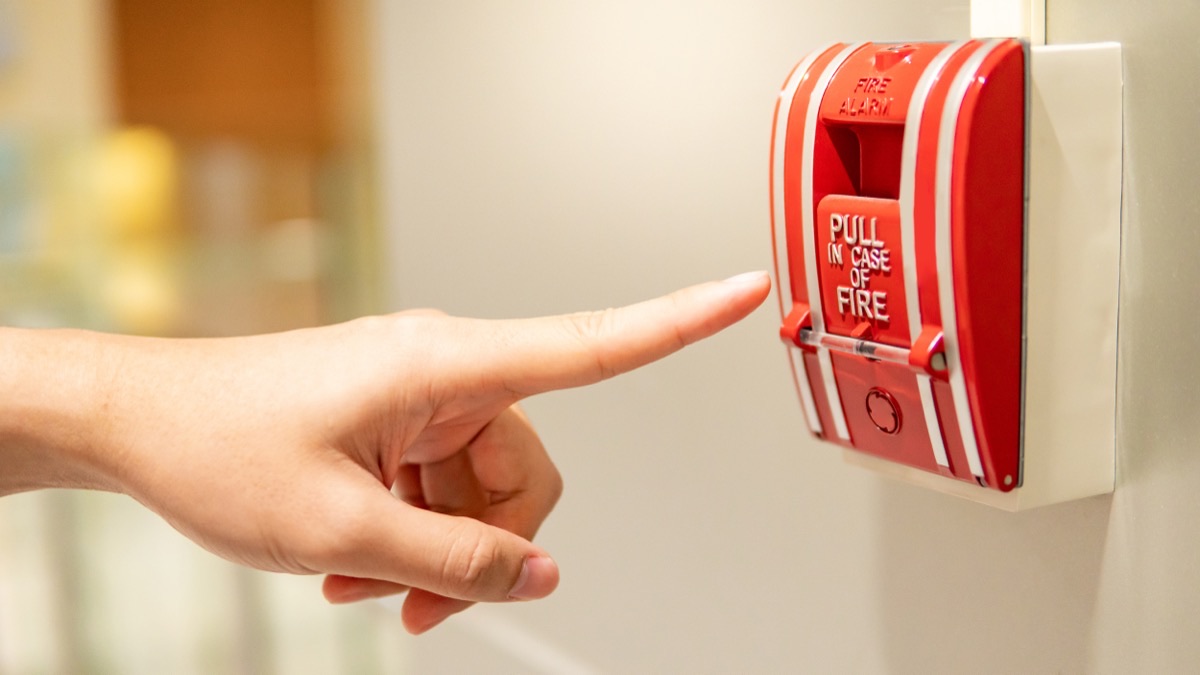
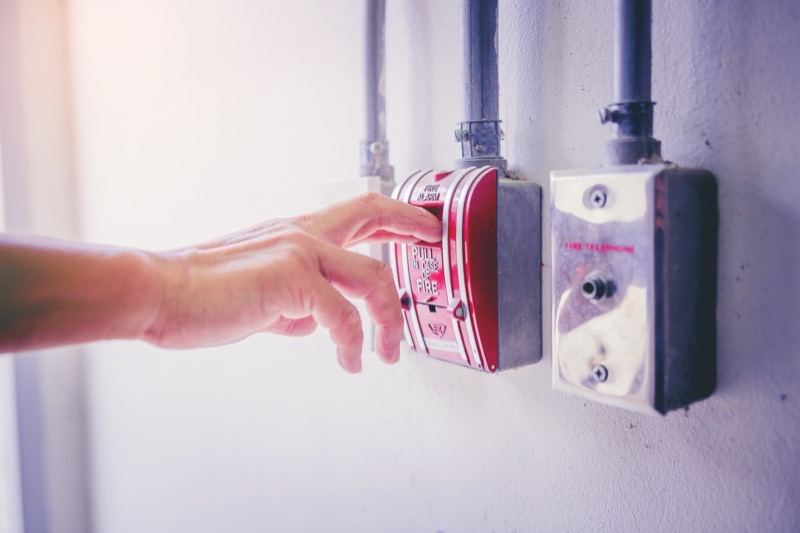
- Multiple device types: smoke detectors, heat detectors, pull stations, duct detectors
- Central fire alarm control panel (FACP) — the "brain"
- Connected to a UL-listed monitoring station via IP, cellular, or phone line
- Notification appliances: horns, strobes, speakers (separate from detectors)
- Required in commercial buildings, high-rises, assembly spaces, healthcare facilities
- Governed by NFPA 72 Chapters 10–18, plus local building codes
When you need a fire alarm system:
- Commercial buildings over a certain size (varies by occupancy type)
- Multi-story buildings
- Healthcare facilities, schools, hotels
- Assembly occupancies (restaurants over capacity, churches, theaters)
- Any building where the fire marshal says so
The Critical Differences
| Feature | Smoke Alarm | Fire Alarm System |
|---|---|---|
| Detection | Smoke only | Smoke, heat, gas, flame, water flow |
| Notification | Local beep | Building-wide horns, strobes, voice evacuation |
| Monitoring | None | 24/7 UL-listed central station |
| Fire dept dispatch | You call 911 | Automatic via monitoring station |
| Panel | None | Addressable control panel |
| Inspection required | Battery test | NFPA 72 professional inspection |
| Typical setting | Homes | Commercial buildings |
| Cost | $20–$50 per unit | $2–$6 per sq ft installed |
Which One Does Your Building Need?
The answer depends on your building's occupancy classification under the Florida Building Code:
- Residential (R occupancy): Smoke alarms in sleeping rooms and hallways, per NFPA 72 Chapter 29. Larger residential buildings (apartments, condos) often also need a fire alarm system in common areas.
- Business (B occupancy): Fire alarm system required in most commercial spaces based on size and occupant load.
- Assembly (A occupancy): Fire alarm system required when occupant load exceeds 300 (or 100 in some cases).
- Healthcare (I occupancy): Fire alarm system always required, plus voice evacuation.
If you're unsure, schedule a free site survey. We'll review your occupancy classification and tell you exactly what's required — no guesswork.
Common Mistakes
- Thinking smoke alarms cover a commercial building — they don't. A retail store with only smoke alarms is out of code compliance.
- Not connecting to monitoring — a fire alarm system that isn't monitored is almost as bad as not having one. No one dispatches help if the building is empty.
- Mixing residential and commercial requirements — the rules are different. A property manager managing both residential units and commercial common areas needs to understand both sets of requirements.
Still Not Sure?
The easiest way to find out what your building needs: call us at (941) 920-5883 or request a free inspection. We'll walk your property, check your occupancy type, and give you a straight answer — no sales pitch.