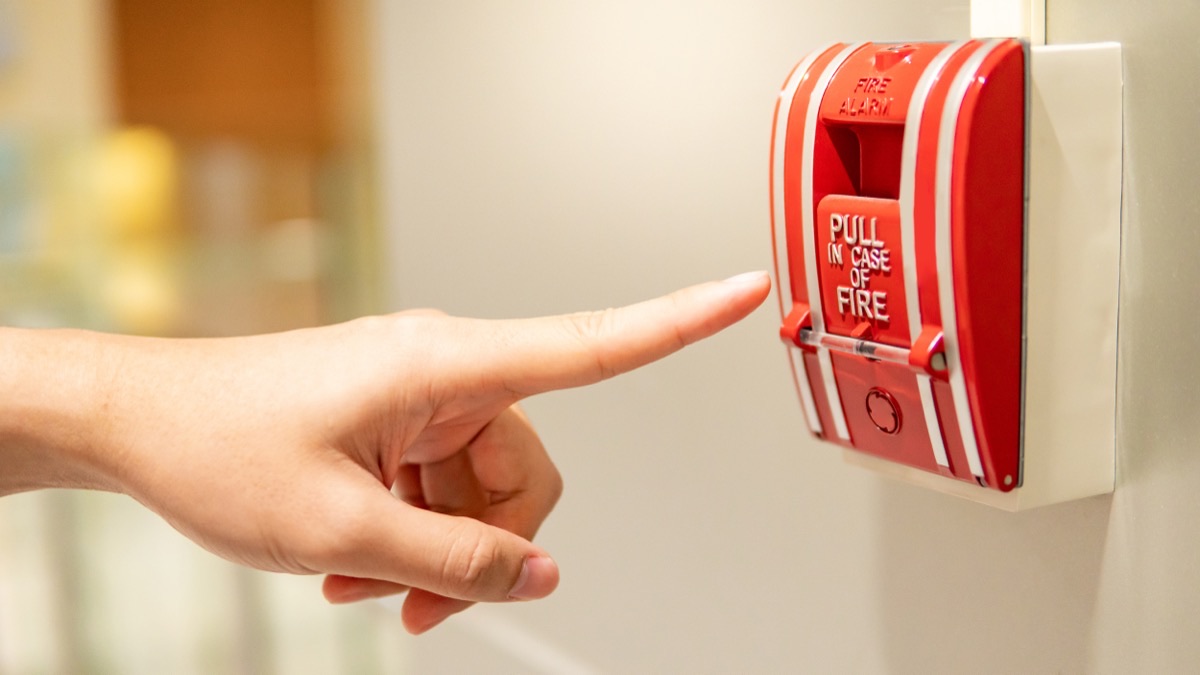
A fire alarm system isn't a set-it-and-forget-it investment. Without regular maintenance, smoke detectors drift out of sensitivity range, batteries die, and panel software falls behind. The result: a system that looks operational but won't perform when it matters.
Here's what fire alarm maintenance actually involves, what it costs in Florida, and why the expense is far cheaper than the alternative.
What Fire Alarm Maintenance Includes
Maintenance is different from inspection and testing. Inspection is the scheduled check-up where a technician verifies everything works. Maintenance is the ongoing service that keeps the system in working condition between those inspections.
A proper maintenance program covers:
Device-Level Service
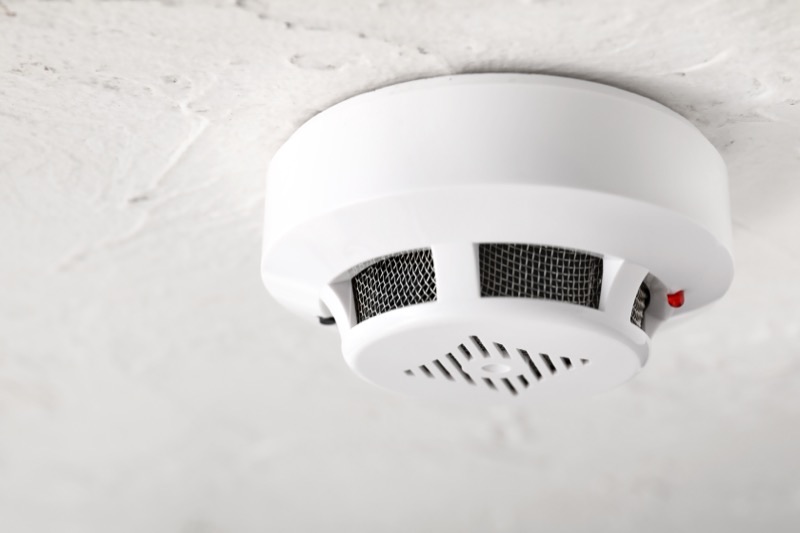
- Smoke detector cleaning — dust, insects, and construction debris accumulate inside detector chambers and cause false alarms or reduced sensitivity
- Sensitivity testing — verifying each detector responds within the manufacturer's listed range per NFPA 72 requirements
- Battery replacement — sealed lead-acid batteries in the main panel, plus backup batteries in remote power supplies
- Horn and strobe testing — confirming notification appliances are audible and visible at required distances
Panel-Level Service
- Firmware updates — manufacturers release updates to fix bugs and improve performance
- Programming verification — confirming device maps match actual installed devices, especially after renovations
- Communication path testing — verifying both primary and secondary paths to the monitoring station are transmitting correctly
- Trouble signal resolution — tracking down and fixing ground faults, open circuits, and supervisory conditions
System-Level Service
- Battery load testing — confirming backup batteries can sustain the system for the required standby time (24 or 60 hours depending on occupancy type)
- Annunciator sync — verifying remote annunciators match the main panel display
- Integration checks — confirming interfaces with fire suppression, elevator recall, HVAC shutdown, and door hold-open devices are functioning
NFPA 72 Maintenance Frequencies
NFPA 72 Chapter 14 sets minimum frequencies for inspection, testing, and maintenance. Here's what applies to the most common components:
| Component | Visual Inspection | Functional Test | Maintenance |
|---|---|---|---|
| Control panel | Monthly | Annually | Per manufacturer |
| Smoke detectors | Semi-annually | Annually | Clean per manufacturer schedule |
| Batteries (sealed) | Monthly | Semi-annually | Replace every 3-5 years |
| Batteries (full load) | -- | Annually | Replace when capacity drops below 80% |
| Notification appliances | Semi-annually | Annually | As needed |
| Monitoring communication | -- | Annually | Test monthly |
These are minimums. Environments with heavy dust, cooking exhaust, or construction activity need more frequent detector cleaning.
How Much Does Fire Alarm Maintenance Cost?
Maintenance is almost always sold as an annual contract. Here's what we typically see in Sarasota, Bradenton, and Tampa Bay:
| System Size | Devices | Annual Contract Cost | Per-Visit Cost |
|---|---|---|---|
| Small | Under 25 | $400-$800/year | $200-$400/visit |
| Medium | 25-100 | $800-$2,000/year | $400-$800/visit |
| Large | 100-250 | $2,000-$5,000/year | $800-$2,000/visit |
| Enterprise | 250+ | $5,000-$12,000+/year | Custom |
Annual contracts typically include two scheduled visits (semi-annual inspections), priority emergency service, and discounted parts. Most property managers save 15-25% over per-visit pricing with a contract.
What's NOT Included
Maintenance contracts cover labor and routine consumables (batteries, detector heads). They typically don't cover:
- Major equipment replacement — replacing a control panel, power supply, or large quantities of devices
- System expansion — adding new devices or zones for renovations
- Code-required upgrades — when a new edition of NFPA 72 changes requirements for your building type
- Damage repair — water damage, lightning strikes, or physical damage from construction
These are quoted separately. A good maintenance provider gives you advance notice when equipment is approaching end-of-life so you can budget for replacement.
Signs Your System Needs Service Now
Don't wait for the next scheduled visit if you notice any of these:
- Recurring false alarms — usually caused by dirty detectors, aging devices, or environmental changes (new HVAC, construction dust)
- Trouble lights on the panel — a yellow "trouble" light means something needs attention. It might be a low battery, a communication fault, or a ground fault on a circuit
- Devices not responding — if a smoke detector or pull station doesn't activate during testing, the system has a gap in coverage
- Panel error messages — modern addressable panels display specific fault codes. Don't ignore them
- Age — smoke detectors older than 10 years should be replaced regardless of test results. Panel batteries older than 5 years are living on borrowed time
DIY vs. Professional Maintenance
Some building owners try to handle basic maintenance in-house. Here's what you can and can't do:
What Building Staff Can Do
- Monthly visual checks — walk the building and confirm no devices are blocked, damaged, or missing
- Battery voltage checks — read the panel's battery meter and note the voltage
- Keep maintenance logs — document any alarms, trouble signals, or service calls
What Requires a Licensed Contractor
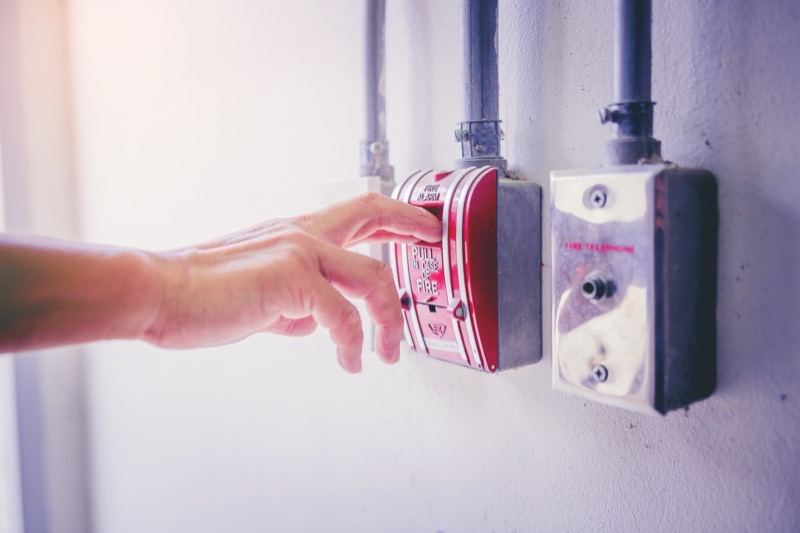
- Functional testing of devices — activating detectors, pull stations, and notification appliances
- Sensitivity testing — requires calibrated test equipment
- Panel programming changes — one wrong setting can disable an entire zone
- Fire alarm system repair — replacing devices, tracing wiring faults, fixing communication failures
- Filing inspection reports with the AHJ — the report must be signed by a licensed fire alarm contractor
In Florida, fire alarm maintenance and testing must be performed by a contractor licensed under FASA (Florida Alarm System Association) guidelines and holding the appropriate state fire alarm license.
Why Skipping Maintenance Is Expensive
The math is straightforward. An annual maintenance contract for a medium-sized system costs $800-$2,000. Here's what skipping it costs:
- False alarm fines — many Florida jurisdictions fine $100-$500 per false alarm after the first few. Dirty detectors are the number one cause of nuisance alarms
- Emergency service calls — a 2 AM trouble call without a contract runs $250-$500+ for the visit alone, plus parts
- Failed inspections — deficiencies found during an inspection require correction within a deadline. Rush repairs cost 30-50% more than scheduled maintenance
- Insurance implications — some property insurance policies require documented maintenance. A claim denied for lack of maintenance documentation can cost tens of thousands
- Fire marshal citations — repeated compliance failures can result in fines, occupancy restrictions, or forced closure until issues are corrected
- The worst case — a system that doesn't activate during a real fire. The liability exposure dwarfs every other cost on this list
How to Choose a Maintenance Provider
Not all maintenance contracts are equal. When comparing providers, ask:
- Are your technicians NICET certified? — NICET Level II or higher for fire alarm systems is the industry benchmark
- Do you provide 24/7 emergency service? — systems don't fail on a convenient schedule
- What's your response time? — for Sarasota and Tampa Bay, a local company with technicians in the area responds in hours, not days
- Do you handle the monitoring too? — a single vendor for maintenance and monitoring eliminates finger-pointing when issues arise
- Can you service my specific panel? — not every company is factory-trained on every brand. Ask about your panel manufacturer specifically
Get on a Maintenance Schedule
The best time to start a maintenance program was when your system was installed. The second-best time is now. Request a free site survey and we'll assess your system's current condition, identify any deferred maintenance, and put together a contract that keeps you compliant and protected.